First Light: Ten Opening Shots That Do All the Talking
Before a word of dialogue, before the title card fades, a film's first image has already made you a promise. Ten opening shots — and what each one whispers about tone, theme, and trust.
Category
25 articles
Before a word of dialogue, before the title card fades, a film's first image has already made you a promise. Ten opening shots — and what each one whispers about tone, theme, and trust.
Before a single ticket is sold, a small crew of trailer editors has already shaped what you think a movie is. Inside the trailer houses where $200 million premieres are won or lost in a two-minute cut.
From Paranormal Activity to TikTok-funded creepypasta adaptations, low-budget horror keeps out-earning movies with fifty times the budget. Here's the playbook the outsiders use — and why the studios still can't copy it.
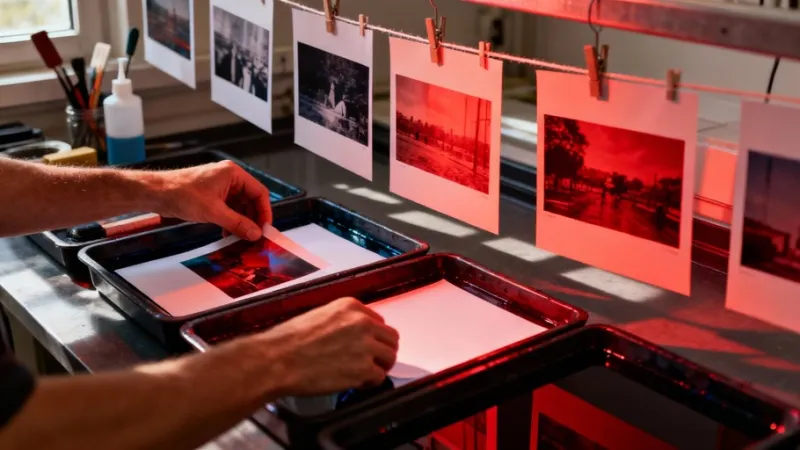
A scrappy underground movement of chemists, artists, and obsessive filmmakers is doing something the industry said couldn't survive: making film emulsion from scratch. These aren't nostalgists — they're radicals who believe the future of cinema runs through its past.
Restoring early Black cinema isn't just a technical challenge — it's a cultural reckoning. A small group of color scientists and film archivists are doing painstaking work to correct decades of neglect, and every decision they make reshapes how history gets seen. The stakes couldn't be higher.
Long after the multiplex crowds have gone home and the parking lots empty out, something electric is happening inside a handful of theaters across the country. Independent filmmakers have rediscovered the midnight slot — not as a gimmick, but as a genuine creative strategy, a way to build audiences on their own terms and let strange, uncompromising films find the people who need them.
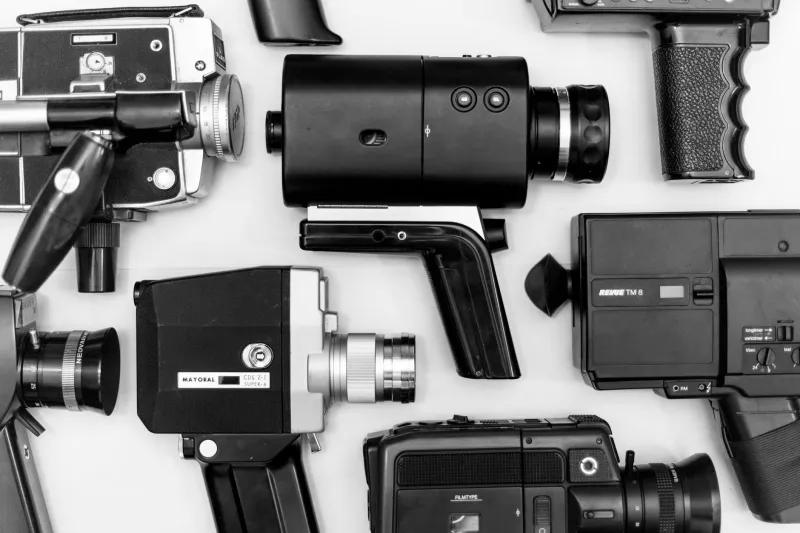
Super 8 was supposed to be dead. Instead, it's become the format of choice for a generation of young filmmakers who see its limitations not as obstacles but as the whole point. Across film schools and DIY collectives from Brooklyn to Boise, something grainy and beautiful is happening.
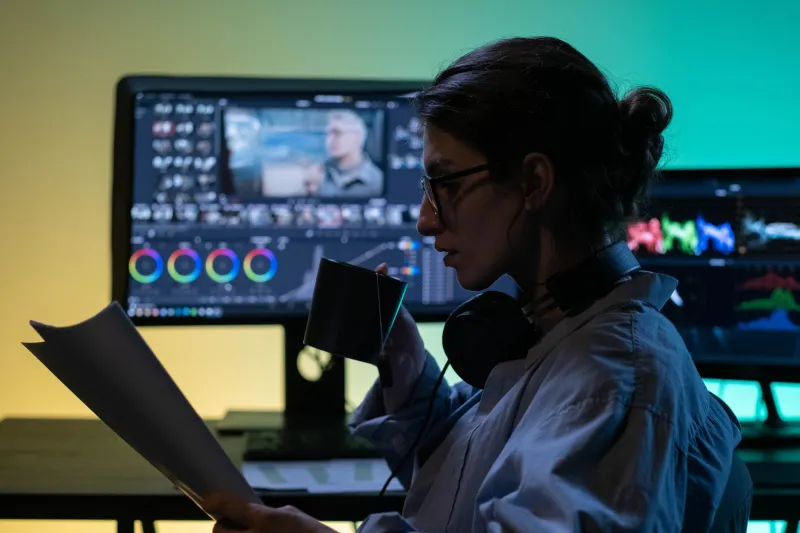
They work in darkened rooms for months at a stretch, building worlds no camera could ever find on its own. VFX supervisors and digital artists are developing genuine visual philosophies—and they're done being treated like technicians.
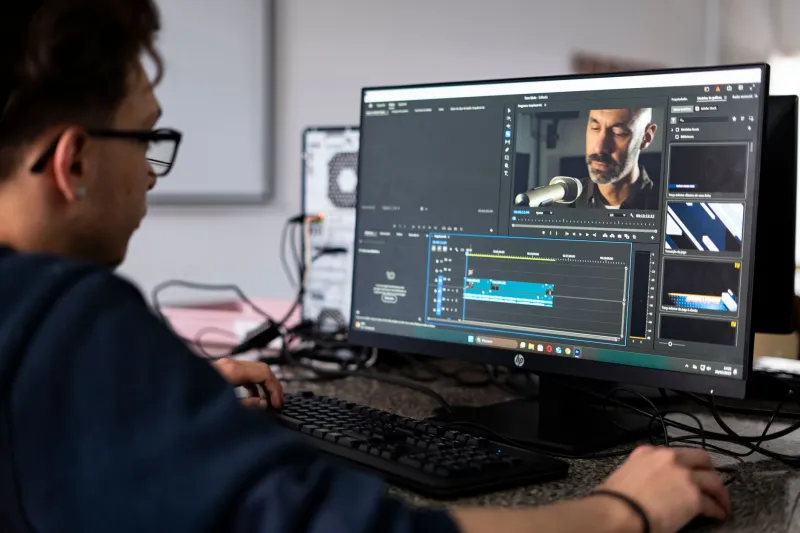
Every time an international film reaches an American audience, a translator has already made hundreds of quiet decisions that shape how that story lands. It's one of cinema's most consequential crafts—and almost nobody talks about it.
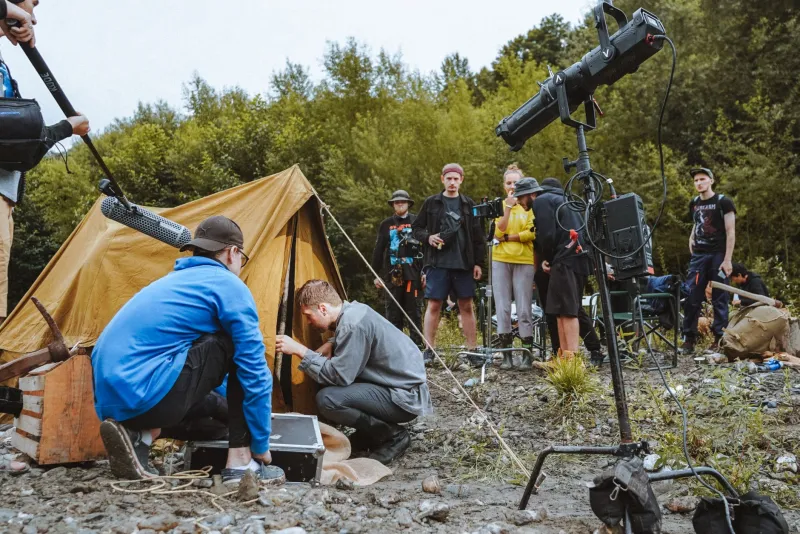
They grew up on iPhones and digital cameras, yet a surprising wave of emerging directors is choosing to shoot on film stock — the expensive, unforgiving, beautiful old way. This isn't nostalgia. It's a philosophy.
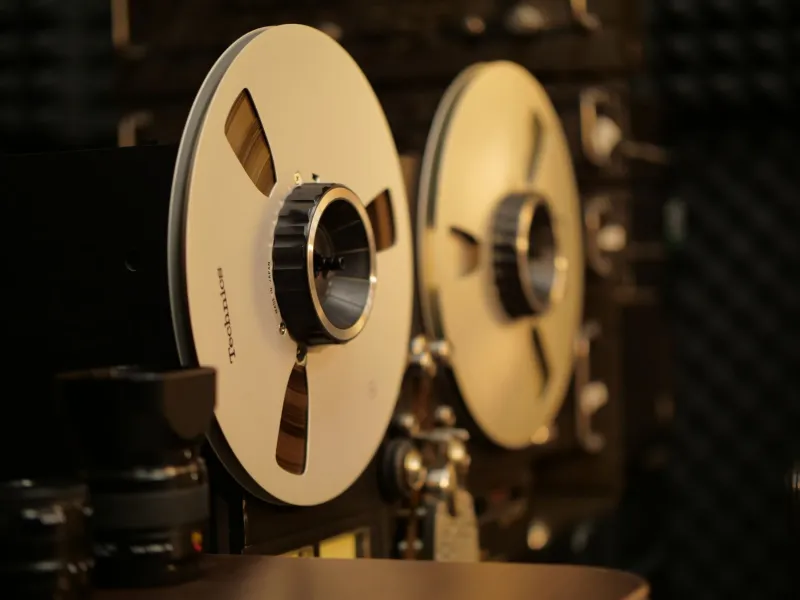
Somewhere in a climate-controlled vault, a reel of film is quietly eating itself alive. The people fighting to stop that process work long hours, stretch thin budgets, and carry a weight that most moviegoers never think about — the weight of everything we stand to lose.
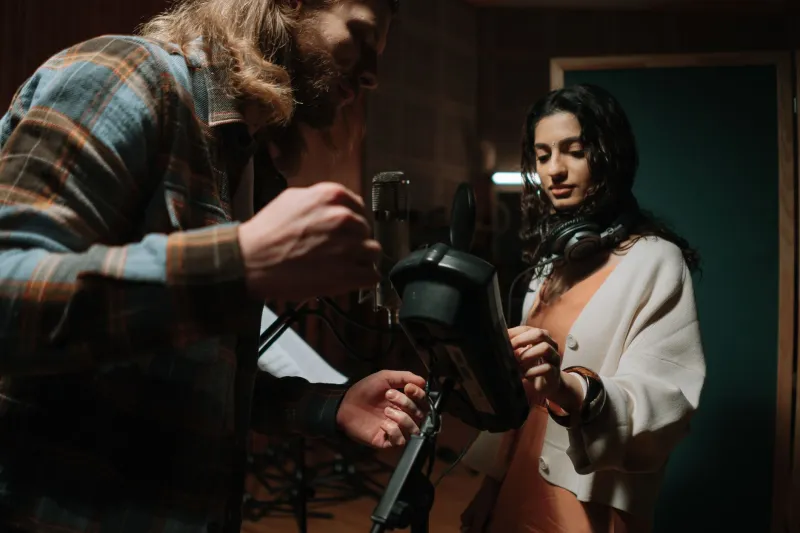
A quiet revolution is happening beneath the dialogue tracks and temp scores of mainstream movies. Independent filmmakers and sound designers are treating audio not as an afterthought but as the emotional architecture of their stories — and audiences who lean in are being rewarded like never before.
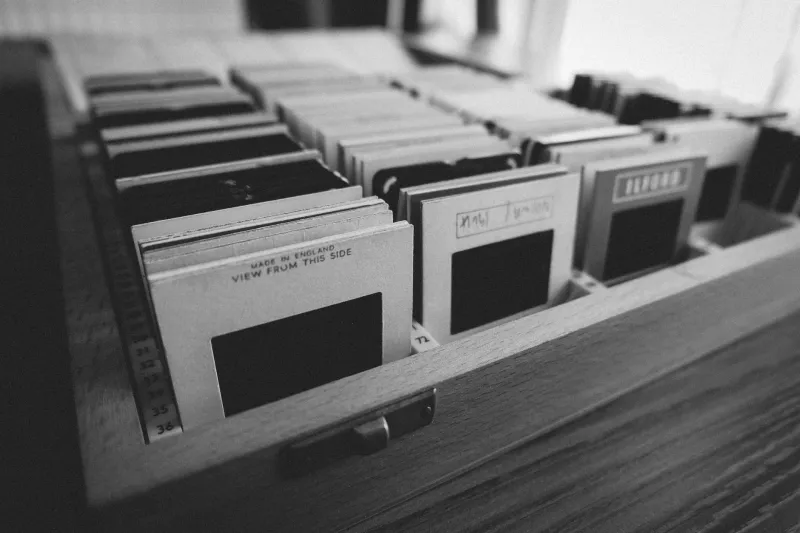
Deep in basements, storage units, and temperature-controlled spare rooms across America, a loose network of passionate civilians are doing the preservation work that Hollywood long ago stopped caring about. They're not archivists by training — they're obsessives by nature, and the films they're saving might otherwise disappear forever.
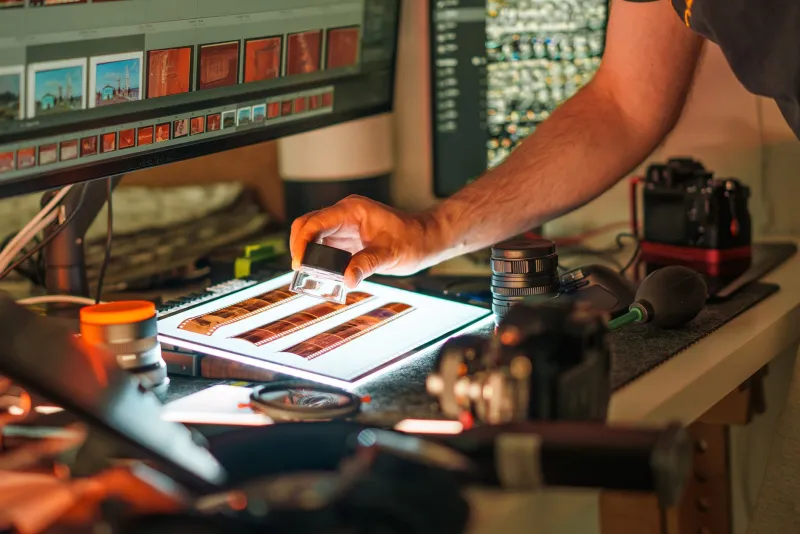
Long before the cursor replaced the razor blade, film editors worked in dimly lit rooms surrounded by hanging strips of celluloid, making irreversible cuts that shaped some of cinema's most unforgettable moments. It was a physical, almost sculptural discipline — part instinct, part ritual — and the veterans who lived it say no software has ever fully replicated the feeling. This is the story of what those cutting rooms were really like, and what quietly slipped away when the splicing block went
Before an actor delivers a single line, a costume designer has already told you who that character is. Inside Hollywood's wardrobe departments, a dedicated group of artisans are using fabric, color, and texture as a secret cinematic language — and most audiences never even notice.
Behind nearly every celebrated Hollywood director of the Golden Age stood a woman whose contributions went unacknowledged — a script editor, a financial strategist, a creative conscience. Newly surfaced letters and family archives are finally beginning to tell their side of the story.
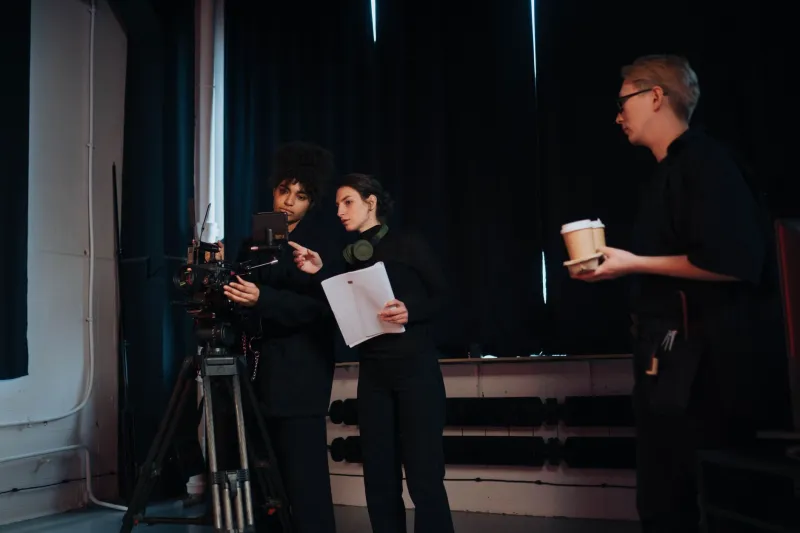
Before a single frame is cut together, someone on set has already memorized every detail — the angle of a coffee cup, the button left undone, the exact word an actor swapped without thinking. Script supervisors are the invisible thread holding your favorite movies together, and there are fewer of them every year.
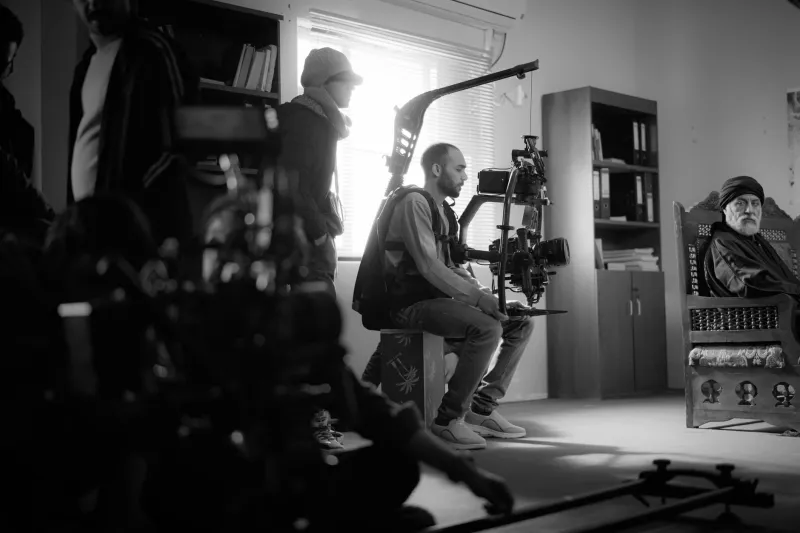
Long before behind-the-scenes crews became their own industry, one person with a camera walked the set quietly — capturing the images that would define how the world remembered a film. Today, that role is nearly gone, and with it, something irreplaceable about how cinema tells its own story.
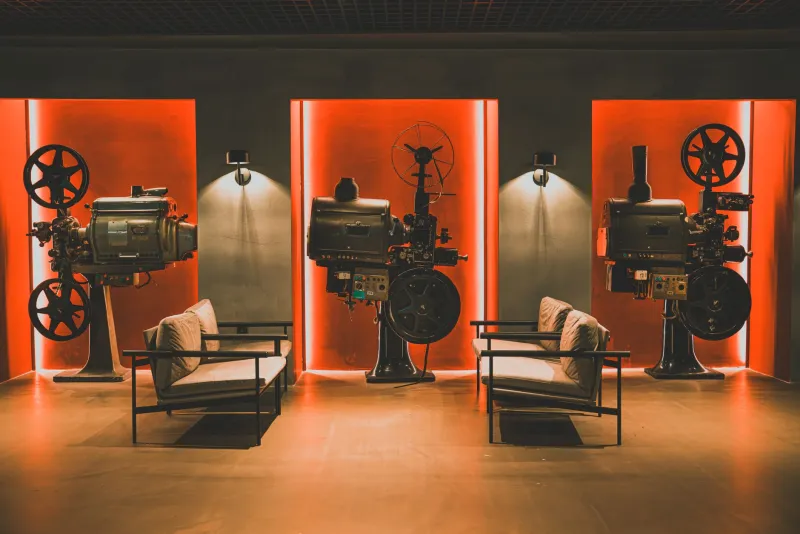
For decades, professional projectionists were the invisible heartbeat of every movie theater in America — threading film, reading light, and coaxing stories into being with their bare hands. Digital automation has quietly erased most of them from the equation. We talked to the ones still standing to find out what cinema loses when no one's left in the booth.
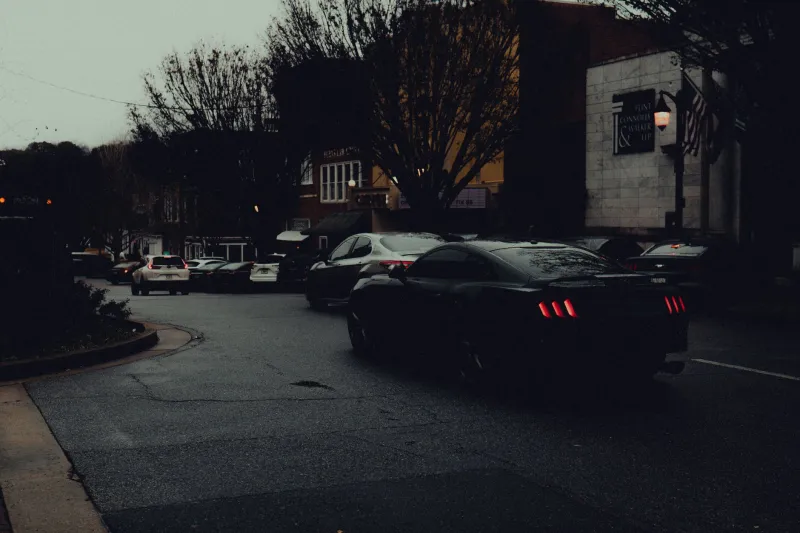
From flooded small towns to bulldozed storefronts, some of America's most beloved film backdrops are gone — and almost nobody saw it coming. We spoke with location scouts, local historians, and the residents left holding only memories and movie tickets. This is the story of what happens when the reel ends but the place disappears too.
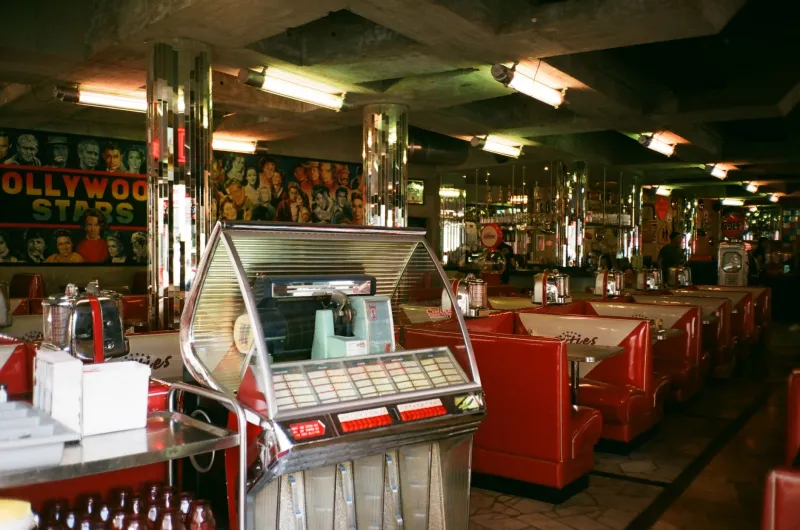
From the fluorescent glow of a roadside booth to the cracked leather of a city counter stool, the American diner has quietly become one of cinema's most powerful dramatic spaces. Filmmakers across generations keep returning to it — not for the pie, but for what happens when people have nowhere left to hide. We dig into why this uniquely American setting keeps delivering some of the screen's most unforgettable moments.
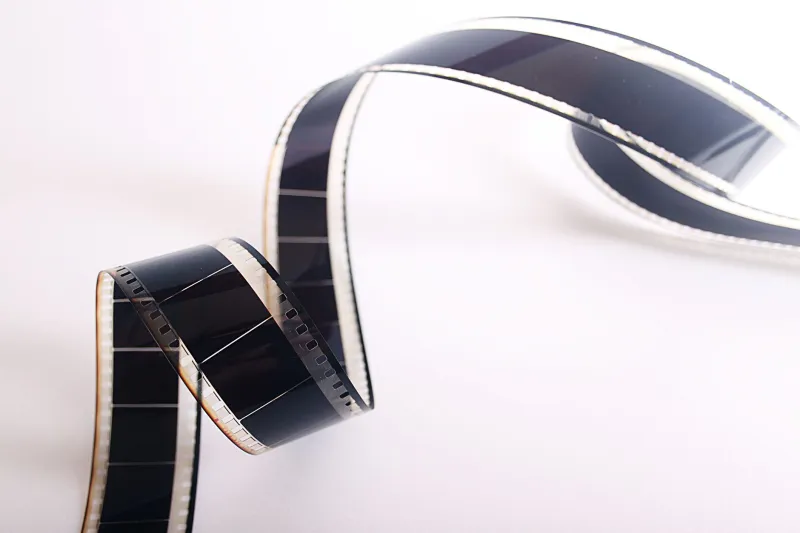
Across the country, a small and stubborn community of analog projectionists still thread film by hand, splice broken reels, and coax light through celluloid for audiences who may not even realize what they're witnessing. They're not relics — they're the last human link in a chain that connects a living crowd to the physical soul of cinema. This is their story.
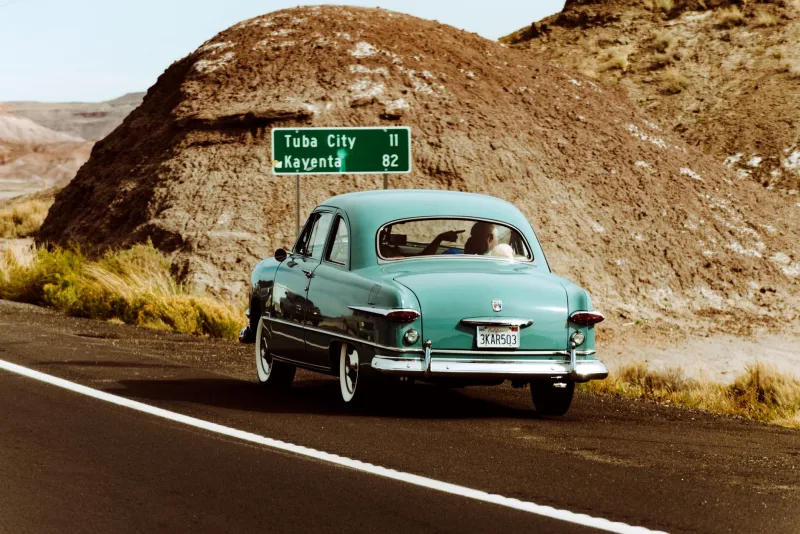
Some of the most celebrated American screenplays weren't written at a desk. They were drafted in moving cars, scrawled in motel notebooks, and pieced together somewhere between one state line and the next. The road has long been Hollywood's most underrated creative collaborator.
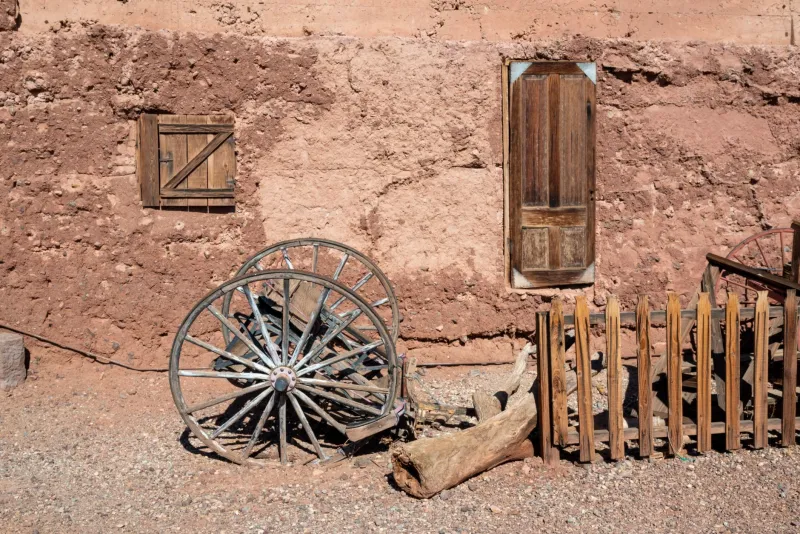
Across the Mojave, the California hills, and forgotten studio corners, the physical bones of Hollywood productions still stand — weathered, silent, and strangely alive. These derelict sets aren't just ruins; they're unintentional monuments to the economics, ambition, and occasional recklessness of American filmmaking. And a growing number of preservationists think they're worth saving.
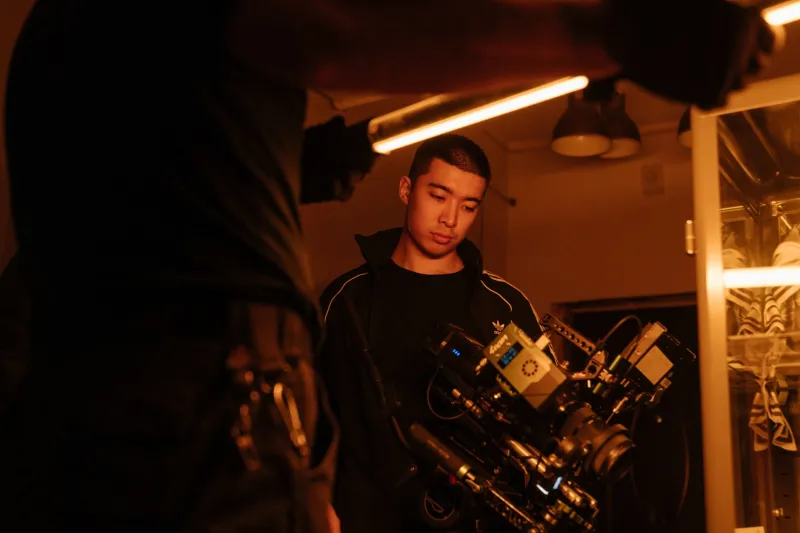
Some of the most powerful moments in movie history never cut away — they just kept rolling. From Orson Welles' audacious opening gambits to Alfonso Cuarón's war-zone miracles, these ten uninterrupted sequences didn't just impress audiences; they fundamentally rewired the way we experience film.